Hope Blooms is a youth-led social enterprise in North End Halifax that has transformed a small plot of land into a movement engaging over 450 youth annually in breaking cycles of poverty through food sovereignty, education, and community building. Since 2008, youth aged 5 to 18 grow their own food in 10,000 square feet of organic gardens—producing over 4,000 pounds of produce annually available free to families in need Yelp—while operating an award-winning off-the-grid greenhouse designed by one of their own participants and running a commercial kitchen where they produce their signature salad dressing, a social enterprise that funds post-secondary scholarships for graduates.
Describe your charity/non-profit/volunteer work in a few sentences.
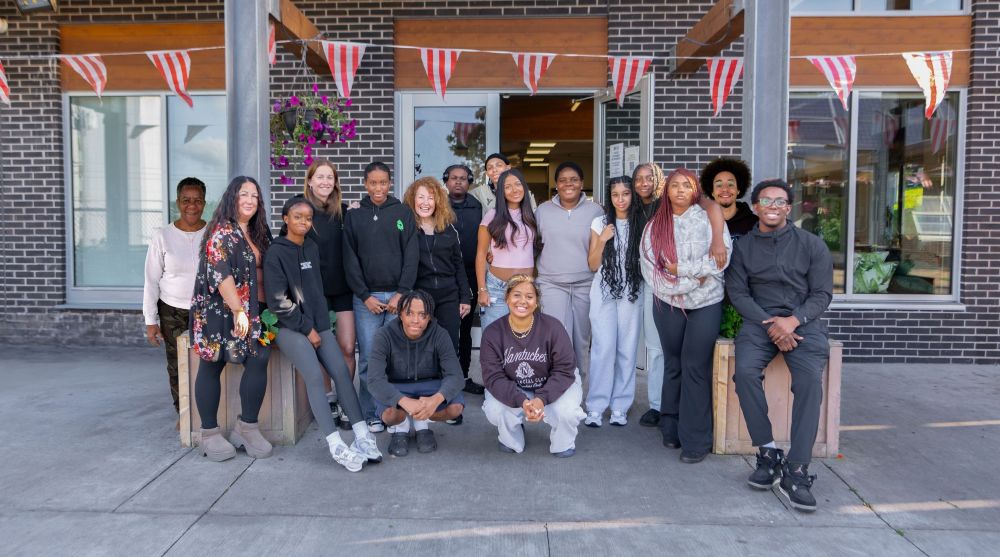
Hope Blooms empowers youth ages 5 to 18 in marginalized communities to become leaders and positive change-makers through food security, social inclusion, education, and environmental sustainability. Since 2008, youth have grown food for over 100 families and over 150 youth, built an award-winning off-the-grid greenhouse, and operated a commercial kitchen and food hub that delivers culinary training and youth-led entrepreneurship.
Our Fresh Herb Dressings—handcrafted by youth and sold in 83 Loblaws and local boutiques—have generated over $500,000 in scholarships in the past five years and inspired four new youth enterprises, including From the Ground Up Mushroom Coffee, Possibili-tea, and Hot Cocoa Boys. Every $1 invested in Hope Blooms returns $3.22 in social value by addressing root causes like poverty, disengagement, and food insecurity.
We operate a 10,000 sq. ft. urban farm that produces 5,000 lbs of free food annually and engages over 1,500 youth and families through our digitized farmers market. As a new satellite site for Citadel High School, we offer a holistic wrap-around program that supports students academically, socially, and emotionally. A core focus of our work is environmental stewardship—our Green Labs program equips youth with climate knowledge, hands-on science, and practical skills to become the next generation of environmental leaders.
Youth gain real-world experience in business, financial literacy, and community leadership, and upon graduation, receive renewable scholarships, often returning as alumni mentors to guide the next generation.
What problem does it aim to solve?
Many young people, especially from historically marginalized communities in Nova Scotia, face barriers to opportunity, skill development, and belonging. They often lack access to mentorship, creative and entrepreneurial experiences, STEM education, and culturally relevant food programs, while also encountering social and environmental inequities. Communities struggle with food insecurity, limited youth leadership opportunities, and a lack of inclusive spaces where people feel empowered and connected.
Hope Blooms addresses these gaps by creating youth-centred programs, sustainable community initiatives, and experiential learning opportunities that build confidence, leadership, practical skills, and social cohesion—helping young people and communities thrive, innovate, and shape a more equitable future.
When did you start/join it?
Hope Blooms was started in 2009 by Jessie Jollymore. She began as after school program for youth in the marginalized community of Uniacke Square. Halifax NS.
What made you want to get involved?
Youth were drawn to get involved with Hope Blooms because it offered them hands-on, creative, and meaningful opportunities that they couldn’t easily find elsewhere. Key reasons include:
- Creative freedom and expression – Programs in music, culinary arts, STEM, and social enterprise let youth explore their talents, make art, cook, invent, and create real projects.
- Real-world impact – Participants didn’t just learn—they led projects that made a tangible difference in their communities, like youth-led social enterprises or sustainable initiatives.
- Mentorship and guidance – Youth received support from caring mentors, role models, and professionals who helped them build skills and confidence.
- Inclusive and safe spaces – Hope Blooms created environments where youth from historically marginalized communities felt seen, respected, and valued.
- Opportunity for growth and recognition – Programs offered pathways to scholarships, performance opportunities, competitions, and leadership experiences.
- Fun and social connection – Activities were engaging, collaborative, and allowed youth to connect with peers, building friendships and networks.
In short, youth got involved because they could learn, lead, create, and belong—all while making a positive impact in their own lives and their community.
What was the situation like when you started?
When Hope Blooms started, it was just a few youth who were showing up for an after-school program that taught them about food insecurity and social business. The youth began by creating a salsa business, which they made from tomato plants they grew and harvested. The full proceeds from the first batch of salsa were donated to a local shelter in the Uniacke square which gave birth the social enterprise spirit of Hope Blooms.
How has it changed since?
Since its beginnings as a small after-school program with just a few youth making salsa, Hope Blooms has grown into a full-fledged community-driven organization that empowers youth through a wide range of programs in music, culinary arts, STEM, social enterprise, and environmental education. What started as a single youth-led social enterprise has expanded into multiple youth-led businesses—like Fresh Herb Dressings, Possibili-tea, and Hot Cocoa Boys—generating real-world impact and scholarships, while teaching skills in leadership, entrepreneurship, financial literacy, and sustainability.
The organization now offers mentorship-rich, inclusive spaces where historically marginalized youth can explore creativity, develop technical and professional skills, and build confidence. Programs are hands-on and experiential, from building net-zero social enterprises and sustainable gardens, to running a community-subsidized farmers market that prioritizes dignity and belonging, to learning renewable energy and climate solutions through Green Labs.
Hope Blooms has also embedded environmental stewardship into its operations, generating more clean energy than it consumes through a solar array and smart solar tracker, turning the community hub itself into a living classroom.
What more needs to be done?
While Hope Blooms has made significant strides in youth empowerment, social enterprise, and community impact, there are still opportunities to expand reach, deepen programs, and strengthen sustainability:
- Reach more youth and communities – Expand programs to engage more young people, particularly from historically marginalized communities across Nova Scotia, ensuring equitable access to mentorship, entrepreneurship, and STEM opportunities.
- Scale social enterprises and impact – Grow existing youth-led businesses and launch new initiatives to create more scholarships, jobs, and community solutions.
- Enhance environmental leadership – Continue integrating climate solutions and sustainable practices into programming, building more living classrooms like the solar-powered hub.
- Deepen skills and career pathways – Provide advanced mentorship, training, and real-world experiences to help youth transition into leadership roles, careers, or their own businesses.
- Strengthen community partnerships and infrastructure – Expand collaborations with local schools, businesses, and cultural organizations to increase resources, visibility, and opportunities for youth.
- Sustainability and funding – Ensure long-term financial stability to maintain and grow programs, while keeping community access affordable and inclusive.
How can our readers help?
Your support directly fuels our youth and community programs. When you give, you help us:
• Provide weekly healthy food to families experiencing food insecurity
• Deliver leadership, entrepreneurship, and climate action programming
• Create scholarships, jobs, and opportunities for young people
• Sustain our gardens, greenhouse, and community spaces
Every contribution truly makes a difference—and every $1 invested in Hope Blooms returns $3.22 in social value.
Hope Blooms is always open to partnership opportunities with organizations, businesses, and community leaders who want to make a meaningful impact. Whether it’s sponsorship, collaborative programming, product partnerships, or supporting our social enterprise, we welcome conversations that help strengthen our community and empower youth.
If you’re interested in exploring how we can work together, we would love to connect.
Where can we follow you?
Website | Facebook | Instagram
PAY IT FORWARD: What is an awesome local charity that you love?
Mi’kmaw Native Friendship Centre