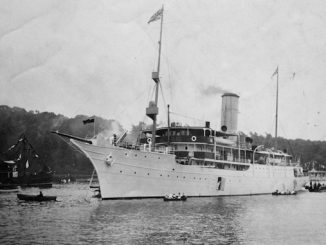
Few names are as closely associated with Halifax’s maritime heritage as Sir Samuel Cunard. Today, his bronze statue overlooks Halifax Harbour, and the Cunard name continues to evoke images of grand ocean liners, luxury travel, and transatlantic crossings. Yet the story of Samuel Cunard is about much more than a famous shipping company. It is the story of a Halifax-born entrepreneur whose vision helped transform global transportation, communications, and commerce during the nineteenth century.
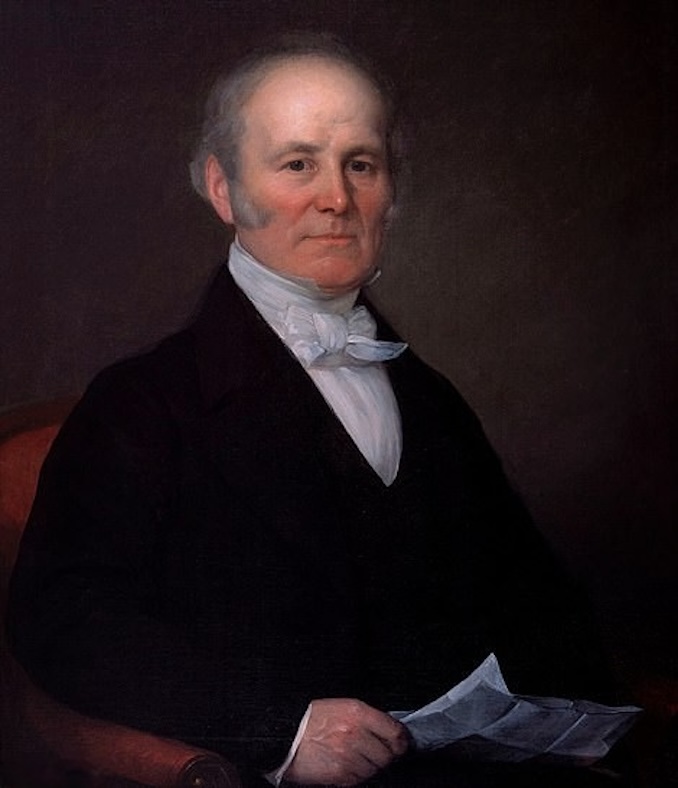
Long before the age of aviation, when crossing the Atlantic could take weeks and success depended largely upon favourable winds, Samuel Cunard envisioned something revolutionary: reliable, scheduled steamship service connecting North America and Europe. In doing so, he helped shrink the Atlantic Ocean and positioned Halifax at the centre of a new era in global communications.
Halifax Beginnings
Samuel Cunard was born in Halifax on November 21, 1787, only four years after the city experienced one of its largest influxes of Loyalist refugees following the American Revolution. His father, Abraham Cunard, was a Loyalist who left Pennsylvania after remaining faithful to the British Crown. Settling in Halifax, Abraham became a successful master carpenter, timber merchant, and landowner, supplying materials and services to the Royal Navy and British garrison. Samuel’s mother, Margaret Murphy, also came from a Loyalist family that had relocated to Nova Scotia.
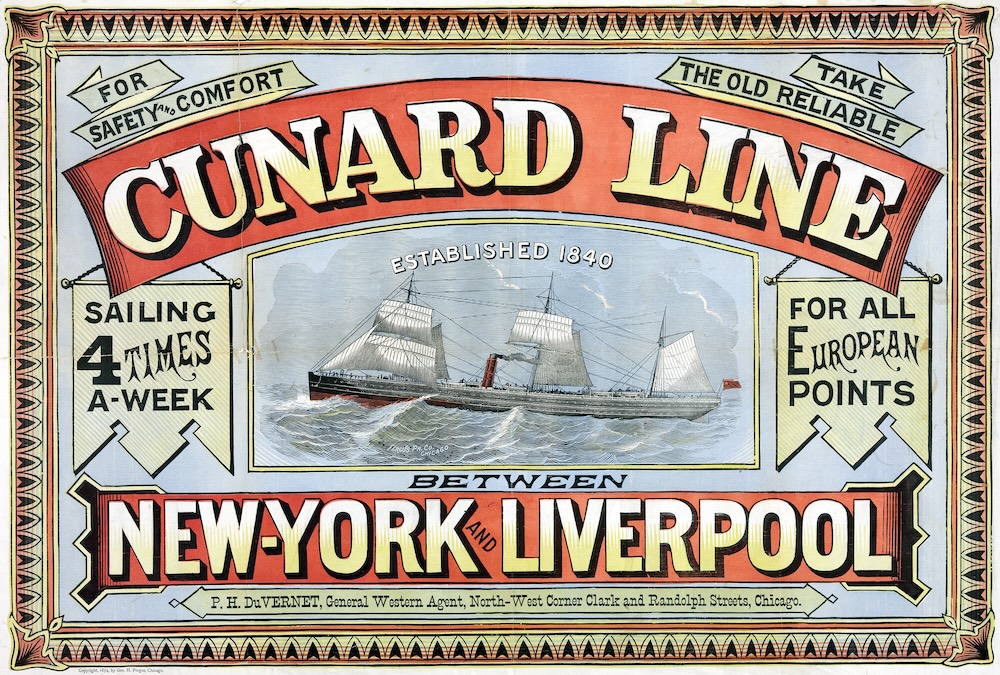
Growing up in a bustling port city shaped by the sea, Samuel was immersed in commerce from an early age. Halifax was Britain’s principal naval base in North America, and its harbour was constantly alive with merchant ships, naval vessels, and international trade. Rather than pursuing formal education, Cunard entered business while still a teenager. According to several biographers, he demonstrated remarkable commercial instincts by buying goods at waterfront auctions and operating his own small retail venture before joining his father’s timber business.
These early experiences taught him lessons that would define his career: success depended not only on hard work but also on recognizing emerging opportunities before others did.
Building a Maritime Empire
By the early nineteenth century, Cunard had become one of Halifax’s leading businessmen. Unlike many merchants who specialized in a single trade, he diversified extensively.
His business interests included shipping, timber, shipbuilding, banking, coal mining, whaling, fisheries, real estate, tea imports, insurance, and infrastructure projects. He invested in the Halifax Banking Company, supported the Shubenacadie Canal project, acquired significant coal properties in Nova Scotia, and accumulated extensive landholdings, including a large portion of Prince Edward Island. At one point, his shipping fleet numbered around forty vessels operating in various trades throughout the Atlantic world.
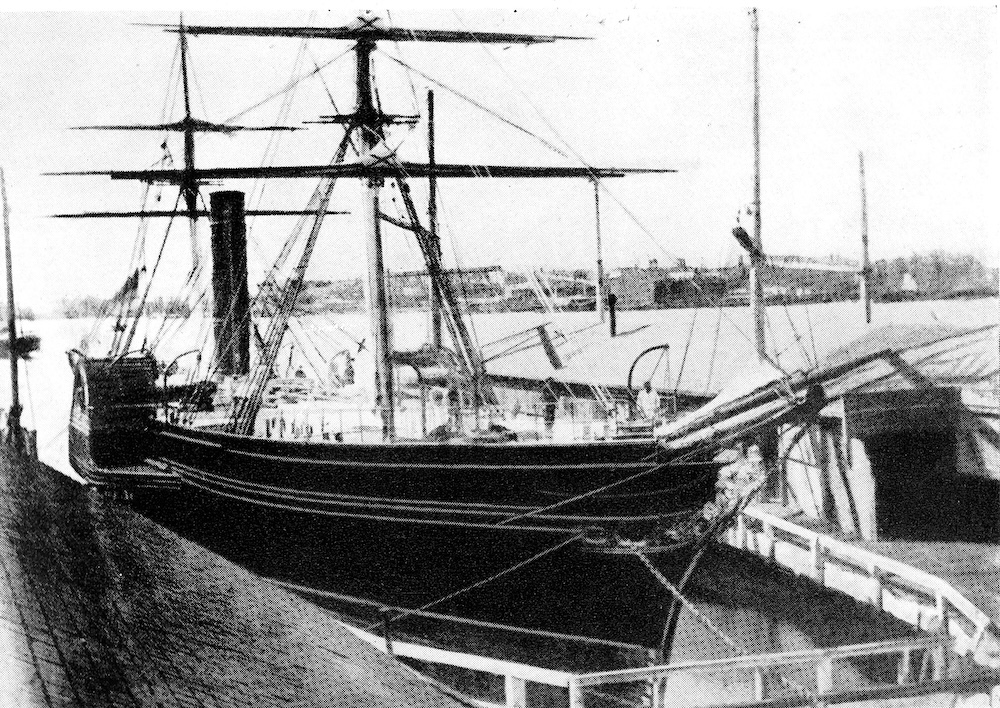

His reputation extended beyond commercial success. Cunard served in the Halifax militia during the War of 1812, eventually attaining the rank of captain. He also held numerous civic positions, including lighthouse commissioner and volunteer firefighter, and became known as a dependable businessman whose honesty earned widespread respect.
By the 1830s, Samuel Cunard had become one of the wealthiest and most influential figures in Nova Scotia.
Betting on Steam
During Cunard’s early career, virtually all transatlantic voyages relied on sailing ships. Although steam power was beginning to revolutionize inland navigation, many experts believed steamships were unsuitable for regular ocean crossings because of their fuel requirements and mechanical limitations.
Cunard disagreed.
He closely followed advances in marine engineering and became an early investor in steam navigation. He held shares in the Royal William, the Canadian-built steamship that completed one of the earliest successful steam-powered Atlantic crossings in 1833. While the vessel still relied partly on sail, its voyage demonstrated that regular steam service across the Atlantic might be practical.
Rather than seeing steam as merely a faster way to move ships, Cunard recognized its greatest advantage: predictability.
For merchants, governments, newspapers, and passengers, reliability mattered as much as speed. Mail, cargo, and travellers could finally move according to published schedules rather than the whims of weather.
It was an insight that would change maritime history.
Winning the Admiralty Contract
In 1838, the British Admiralty sought proposals for a regular steamship mail service linking Britain with North America.
Many established companies hesitated. Ocean steam navigation remained financially risky, and previous ventures had struggled.
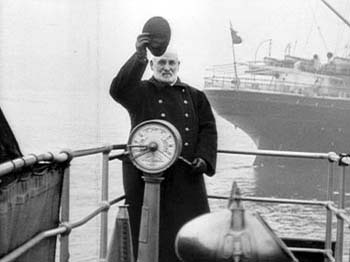
Samuel Cunard saw opportunity where others saw uncertainty.
Travelling to Britain, he assembled an experienced team that included Scottish shipbuilder Robert Napier and leading steamship operators George Burns and David MacIver. Together they presented a carefully prepared proposal emphasizing dependable schedules, disciplined operations, and technically advanced vessels.
Their bid succeeded.
The British and North American Royal Mail Steam Packet Company—soon known simply as the Cunard Line—received the coveted government contract to transport mail between Liverpool, Halifax, and Boston.
The decision transformed Cunard from a successful colonial merchant into an international transportation pioneer.
The Britannia Changes Everything
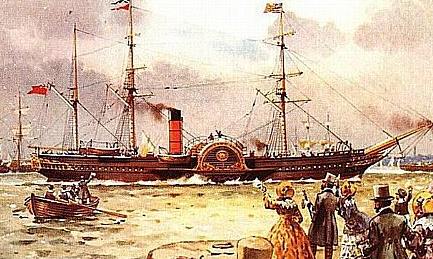
On July 4, 1840, the steamship Britannia departed Liverpool on the inaugural voyage of the new service.
After stopping in Halifax, she continued to Boston, completing the crossing in just thirteen days while adhering to a published schedule. More importantly, the voyage demonstrated that regular, dependable steamship service across the Atlantic was commercially viable.
Unlike earlier experimental steamships, Cunard’s vessels prioritized reliability over record-breaking speed.
The company quickly established a reputation for punctuality, safety, disciplined crews, and dependable engineering. These qualities attracted governments, businesses, immigrants, and travellers alike.
For Halifax, the impact was enormous.
The city became an essential coaling and mail station linking Britain and North America. Cunard steamers brought passengers, goods, newspapers, financial information, and official correspondence through Halifax on fixed schedules, reinforcing the city’s role as one of the Atlantic world’s most important ports.
A Global Reputation
Over the following decades, the Cunard Line expanded steadily while many competitors disappeared.
Samuel Cunard insisted upon sound financial management and avoided reckless expansion. His conservative approach often drew criticism from rivals seeking greater speed or luxury, but it enabled the company to weather economic downturns and technological change.
During the Crimean War, Cunard vessels provided valuable service to the British government, transporting troops and supplies. In recognition of both his commercial achievements and his support of the Empire, Queen Victoria created Samuel Cunard a baronet in 1859.
Although business increasingly required him to spend time in London, Cunard never completely severed his connections to Nova Scotia. He maintained extensive investments in the province, particularly in coal mining, and continued overseeing family business interests from both sides of the Atlantic.
Family and Personal Life
Samuel Cunard married Susan Duffus in Halifax in 1815, and together they had nine children.
Their marriage was cut tragically short when Susan died in 1828 following the birth of their youngest daughter. Despite his prominence and wealth, Cunard never remarried. Family accounts suggest he remained devoted to Susan’s memory throughout his life, reportedly speaking of her affectionately even during his final days.
His eldest son, Edward Cunard, eventually inherited both the family business interests and the baronetcy, helping ensure the Cunard name would remain synonymous with ocean travel for generations.
Beyond Ocean Liners
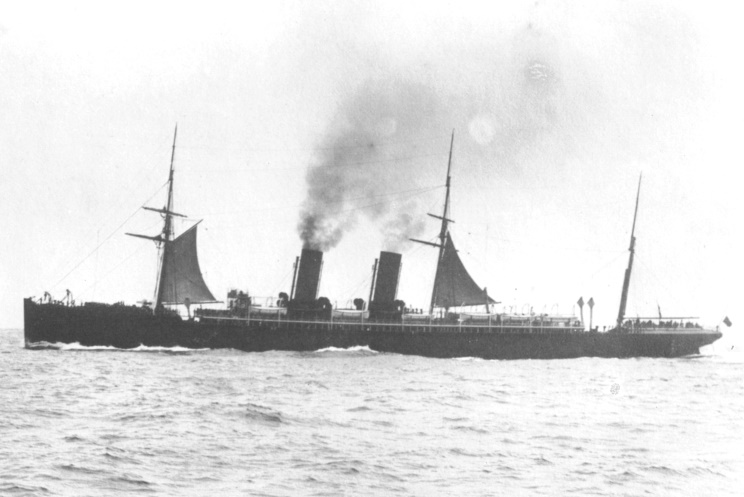
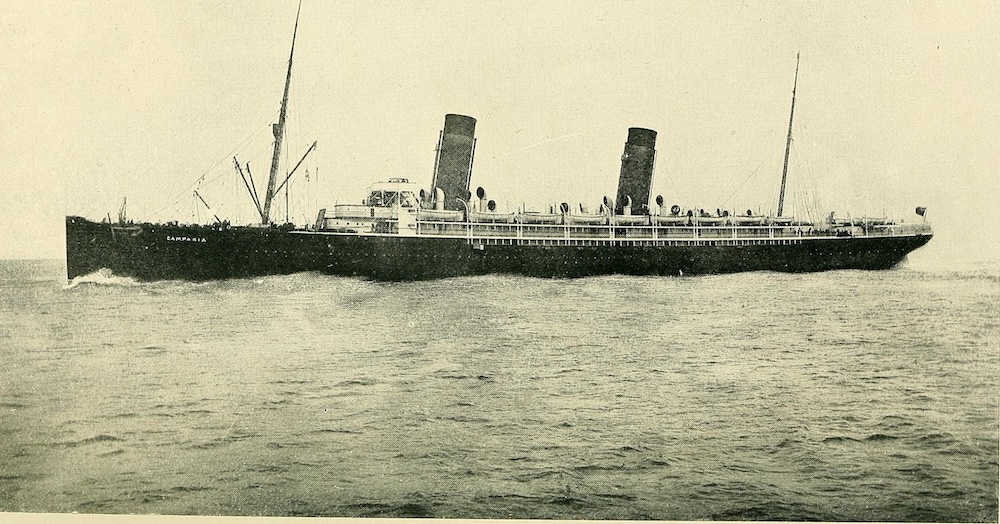
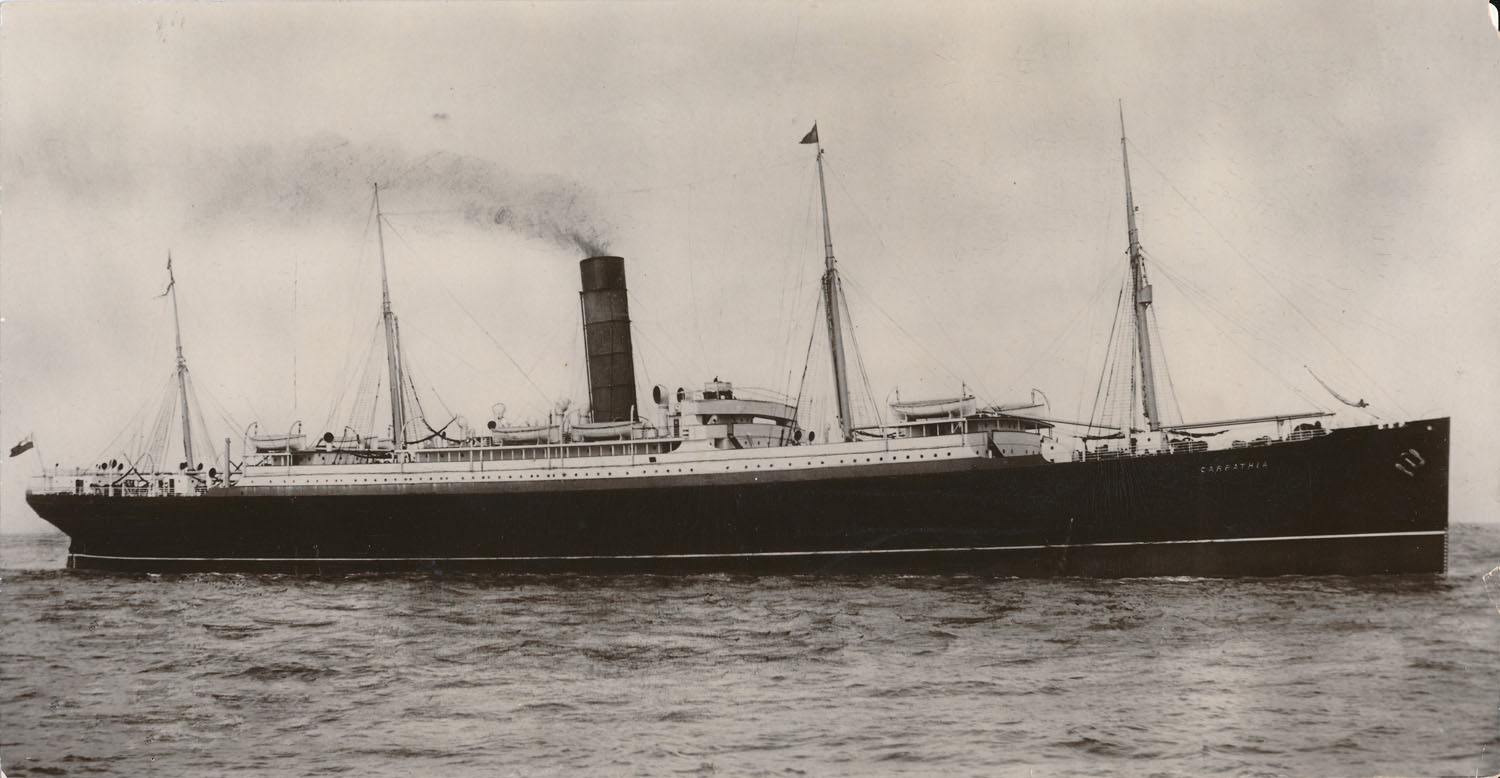
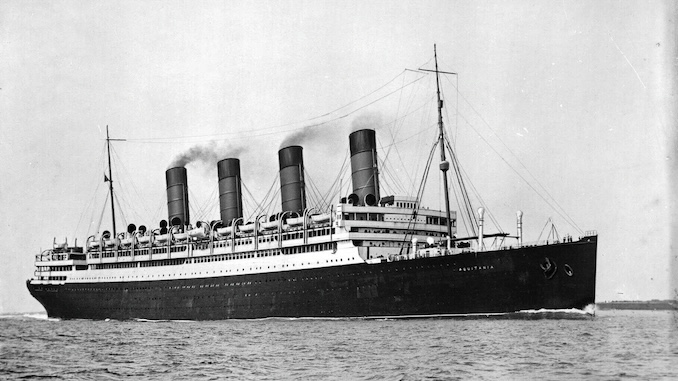
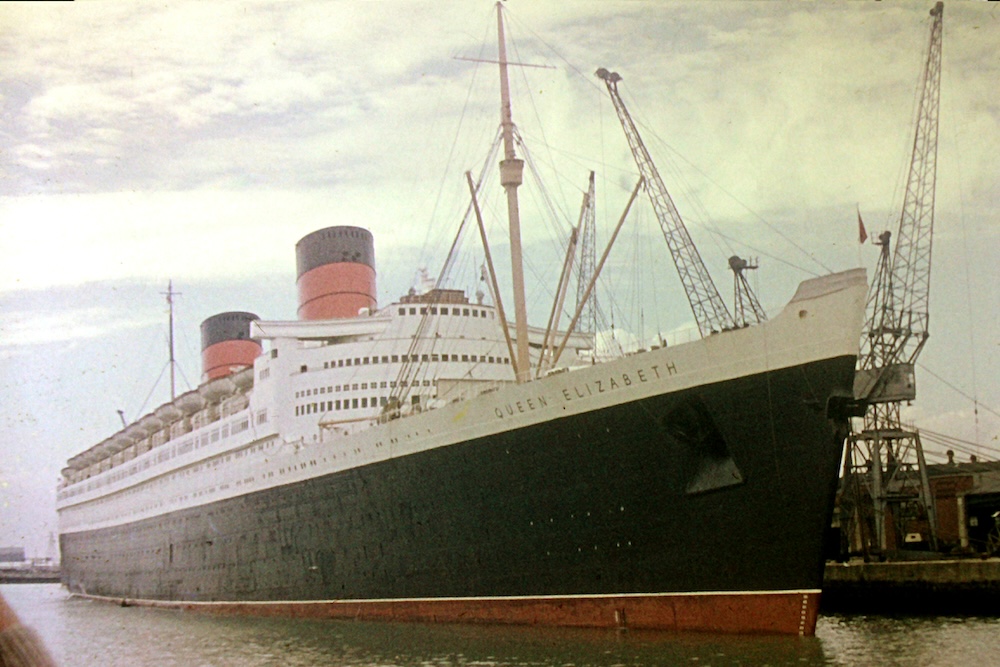
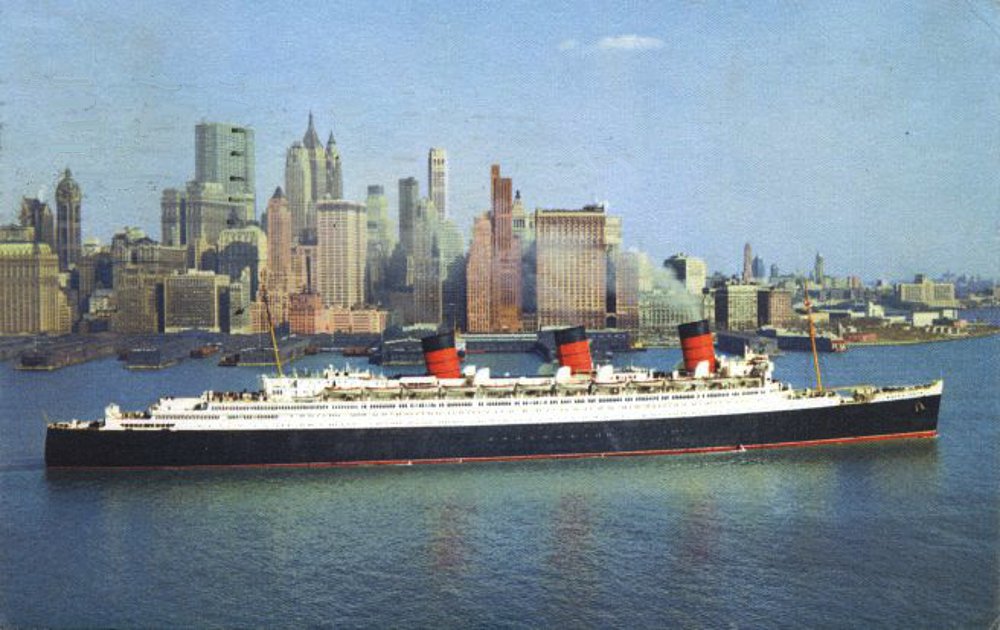
Modern audiences often associate Cunard primarily with magnificent passenger ships such as Lusitania, Mauretania, Queen Mary, Queen Elizabeth, and today’s Queen Mary 2. Those famous vessels, however, all appeared decades after Samuel Cunard’s death.
His true achievement was establishing the business model that made them possible.
He demonstrated that international steamship service could operate according to fixed schedules, maintain exceptional safety standards, earn public trust, and generate sustainable profits. These principles influenced not only maritime transportation but also modern logistics, communications, and international commerce.
Halifax’s Enduring Legacy
Sir Samuel Cunard died in London on April 28, 1865, at the age of seventy-seven and was buried in Brompton Cemetery. His company continued to grow long after his death, eventually becoming one of the world’s most celebrated shipping lines.
His legacy remains deeply rooted in Halifax.
He has been recognized as a National Historic Person of Canada, and his waterfront statue reminds visitors that one of the most influential figures in global transportation was born not in London or Liverpool, but in Nova Scotia’s capital.
In many ways, Cunard embodied the entrepreneurial spirit of nineteenth-century Halifax. He understood that geography alone does not make a great port—vision does. By combining Nova Scotian determination with international ambition, he helped transform Halifax from an important colonial harbour into a critical link in a global transportation network.
Nearly two centuries after the Britannia first steamed into Halifax Harbour on schedule, Samuel Cunard’s greatest contribution remains remarkably modern. In an age before telegraphs spanned oceans and decades before commercial aviation existed, he proved that reliability could be just as revolutionary as speed.
For Halifax, that vision changed not only the city’s fortunes but the course of Atlantic history itself.