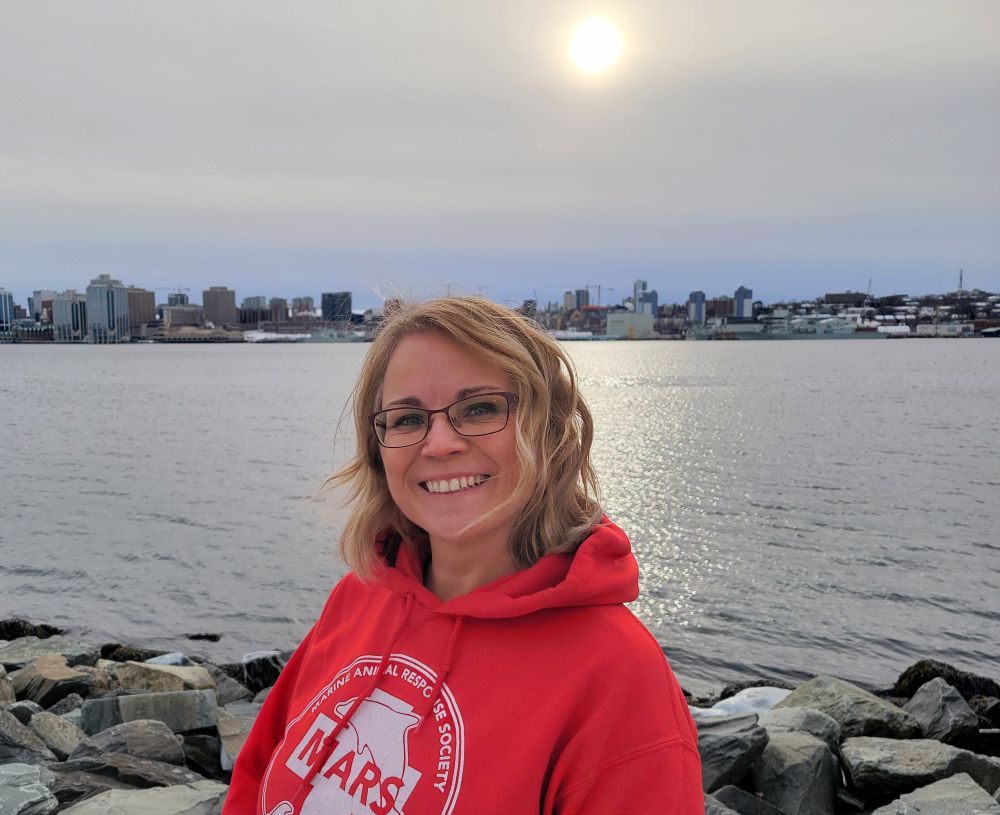
Tonya Wimmer founded the Marine Animal Response Society in 1999 after recognizing a glaring gap in the Maritimes: when a whale stranded or a seal was injured, there was almost no coordinated infrastructure to help. Nearly three decades later, what began as a small group of passionate volunteers has grown into a recognized national leader in marine animal response, operating a 365-day-a-year hotline, training the next generation of responders through Canada’s only Marine Animal Medic course, and running Atlantic Canada’s first dedicated marine animal necropsy facility.
Describe your charity/non-profit/volunteer work in a few sentences.
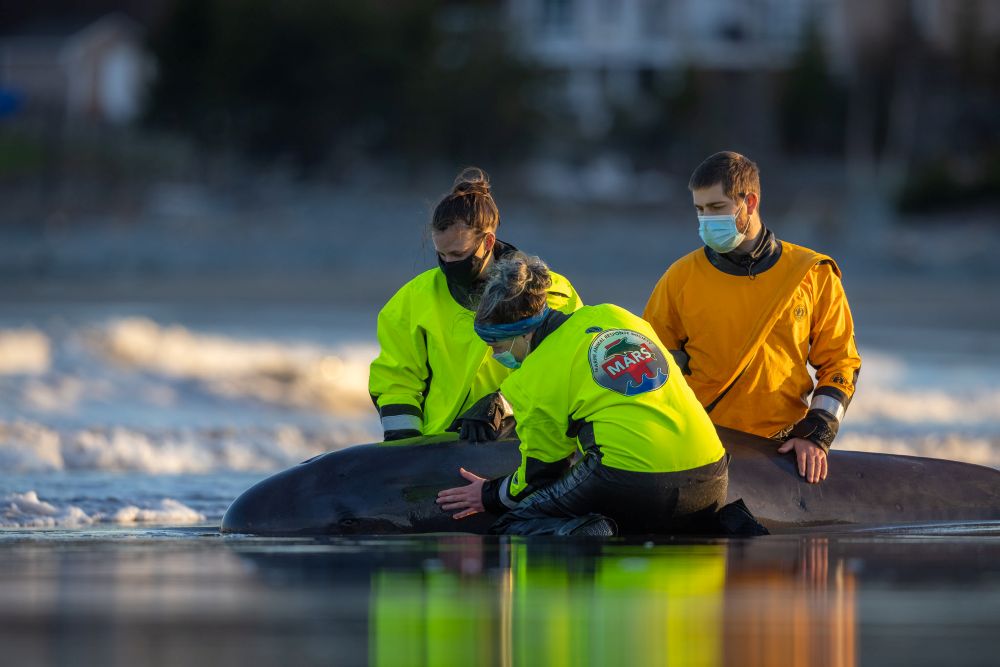
MARS is a Canadian conservation organization and registered charity dedicated to protecting marine life, advancing ocean health, and empowering communities to make a difference. Today, our small but dedicated team serves as the front line of marine animal response in the Maritime Provinces, answering calls through the MARS Hotline 365 days a year and responding to everything from stranded whales and injured seals to entangled sharks.
When animals can be saved, we work to return them to the wild. When they can’t, we learn from them, gathering critical information about the health of our ocean and the species that depend on it. Alongside our response work, we conduct research, support conservation efforts, and work with communities and partners to create a future where marine animals, people, and the ocean can thrive together.
What problem does it aim to solve?
Marine animals are facing increasing pressures from entanglement in fishing gear, vessel strikes, pollution, habitat loss, and climate change. While many people know us for rescuing whales, seals, sharks, and sea turtles in distress, our work is about much more than individual animals.
Every incident tells us something important about the health of the animals, our oceans and the challenges marine wildlife is facing. Through our response, research, and monitoring programs, we turn those moments into knowledge that can improve conservation policies and industry management, support species recovery, and help prevent future harm. Ultimately, we’re working toward healthier oceans where marine animals and coastal communities can thrive together.
When did you start/join it?
I founded MARS in 1999 and have been part of its growth and evolution ever since.
What made you want to get involved?
I’ve always been fascinated by whales and marine life, but it was during my undergraduate studies at Dalhousie University that I realized I wanted to dedicate my career to protecting them. Through my undergraduate and graduate research, I was working alongside people studying and protecting whales in Nova Scotia and around the world. The more I learned about these animals and the growing threats they faced, the more I knew I wanted to contribute in a meaningful way to their conservation.
At the time, if a whale stranded or a seal was injured in the Maritimes, there was very little infrastructure, coordination, or specialized expertise available to help. It was clear that something more was needed, and I was excited by the opportunity to help build it.
What began as an interest in marine conservation has grown into a lifelong commitment to protecting marine wildlife — not only by helping create a coordinated response network across the Maritimes, but also by using the information gathered through every incident to better understand marine animals and the challenges they face, and to contribute to their conservation both in Canada and globally.
What was the situation like when you started?
In the beginning, it was just a small group of like-minded individuals who cared deeply about marine animals and wanted to help. We were eager to learn, eager to get trained, and eager to make a difference when whales and other marine animals became stranded or entangled. There wasn’t a formal response network at the time, so much of what we did involved learning from experts, sharing knowledge, and figuring out how to build something that could better serve both the animals and the communities encountering them.
Looking back, it’s amazing to see how far we’ve come from that small group of dedicated volunteers to the regional professional response network we have today.
How has it changed since?
The transformation has been remarkable. What began as a small, passionate group has grown into a non-profit and Canadian charity that is a recognized leader in marine animal response, conservation, research, and training. Today, MARS operates a dedicated hotline 365 days a year, ensuring that people across the Maritime Provinces have somewhere to turn when they encounter a marine animal in distress. And we have a team of trained responders who are ready to head out the door when needed.
Over the past 25 years, we have continued to expand our impact and expertise. MARS developed and delivers Canada’s first and only Marine Animal Medic course, helping build the next generation of trained responders and conservation professionals. Over time, members of the public have also become increasingly involved in our work through our growing volunteer program, creating more opportunities for community members to contribute directly to marine wildlife conservation. We also opened the MARS Lab, the first and only dedicated marine animal necropsy facility in Atlantic Canada, allowing us to fully examine more animals as well as create new opportunities for research, training, and understanding the challenges facing marine wildlife.
Today, MARS is recognized not only as a trusted resource in our local communities but also as a respected contributor within the global marine animal response and research communities. We collaborate with partners across Canada and around the world, sharing knowledge, advancing best practices, and contributing to research and conservation efforts that extend far beyond our region. While we are proud of how far we have come, what makes me most proud is that we have never lost sight of why we started: helping marine animals, supporting communities, and using every opportunity to make an impact in protecting our oceans.
What more needs to be done?
While we are proud of how far we’ve come, the need for this work continues to grow. Marine animals and ocean ecosystems are facing increasing pressures and threats, and as these challenges intensify, monitoring marine animal health and understanding what these animals can tell us about the changing ocean has never been more important.
To meet these growing needs, we need stable and sustainable funding that allows us to maintain and expand our response, research, training, and conservation programs. We also need more trained responders and volunteers throughout the region so that help can be available quickly, no matter where an incident occurs. Every report, every response, and every piece of information we gather contributes to a better understanding of these amazing animals and our marine environment and helps inform conservation action.
Ultimately, protecting marine wildlife requires a long-term commitment from all of us. By investing in response capacity, scientific research, education, and community engagement today, we can build a stronger foundation for healthier oceans and more resilient marine ecosystems in the future.
How can our readers help?
There are many ways readers can help protect marine wildlife, and the first is simply to keep their eyes open and report anything of concern. If you see a stranded, injured, entangled, or deceased marine animal, call the MARS Hotline. Every report matters. It may help save an individual animal, provide valuable information for conservation and research, or alert us to emerging threats affecting marine wildlife and ocean health.
People can also join our incredible network of volunteers. From helping at community events and outreach activities to supporting conservation initiatives and response efforts, volunteers are at the heart of what we do and help extend our impact across the Maritime Provinces.
Donations are equally important. As a charitable organization, we rely on the generosity of individuals, communities, and partners to keep our hotline operating, train responders, support research, and deliver conservation programs. Quite simply, we could not do this work without the support of people who believe in protecting marine wildlife and healthy oceans.
Finally, follow MARS on social media, share our stories, and help spread the word. The more people who know about marine animals, the challenges they face, and how to respond when they see an animal in distress, the stronger our collective ability to protect the ocean and the wildlife that depends on it.
Do you have any events coming up?
You can often find MARS at community events throughout the region, connecting with people who share our passion for marine wildlife and ocean conservation. These events are a great opportunity to learn more about the work we do, meet members of our team, and discover ways to get involved.
Later this summer, we’ll be participating in the Hope for Wildlife Open House, where visitors can learn about marine animals and the many organizations working to protect wildlife in the Maritimes. We’re also excited to offer opportunities for people to tour the MARS Lab, the first and only dedicated marine animal necropsy facility in Atlantic Canada, which is right next door to Hope for Wildlife. It’s a unique chance to get a behind-the-scenes look at how science, conservation, and marine animal response come together to support healthier oceans.
Where can we follow you?
Website | Facebook | Instagram
PAY IT FORWARD: What is an awesome local charity that you love?
We greatly admire the work of the Canadian Sea Turtle Network (CSTN). Their dedication to sea turtle conservation, research, education, and public engagement has made a meaningful contribution to marine wildlife protection in Atlantic Canada, and we are proud to share a common goal of conserving and protecting our marine environment.